























 September 02, 2026 - BY Admin
AI vs CAD Engineer: What Humans Still Need to Know
Engineering Fundamentals | DFM & GD&T | CADDEX
Key Insight: Algorithms can compute math and generate curves, but they do not understand practical engineering context. Geometric Dimensioning & Tolerancing (GD&T), raw material availability, assembly ergonomics, and tooling limitations remain completely dependent on human knowledge.
If you give an AI prompt engine an instruction like: "Design a lightweight motor mount for an electric scooter," it will give you a visually impressive 3D mesh. But will it work in the real world?
What AI Misses That Humans Must Provide
- GD&T and Tolerance Stack-ups: AI does not know if a bearing bore needs an H7 slip fit or an r6 press fit unless an experienced engineer defines it.
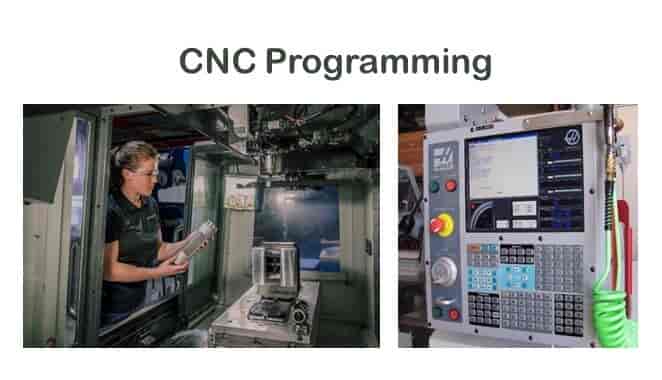
- Tooling Clearances: A CNC end mill requires clearance to enter pockets without gouging. Human designers know when a corner radius must be enlarged to avoid expensive specialized cutters.
- Assembly Sequence: A part cannot just exist in 3D space; a technician must be able to insert screws, attach torque wrenches, and access wiring channels.
The lesson is simple: stop worrying about software pushing buttons. Focus on mastering core mechanics, tolerances, and production realities.
Master Real-World Engineering Design
Learn practical GD&T, DFM rules, and advanced 3D CAD modeling at CADDEX.
Learn More at CADDEX